

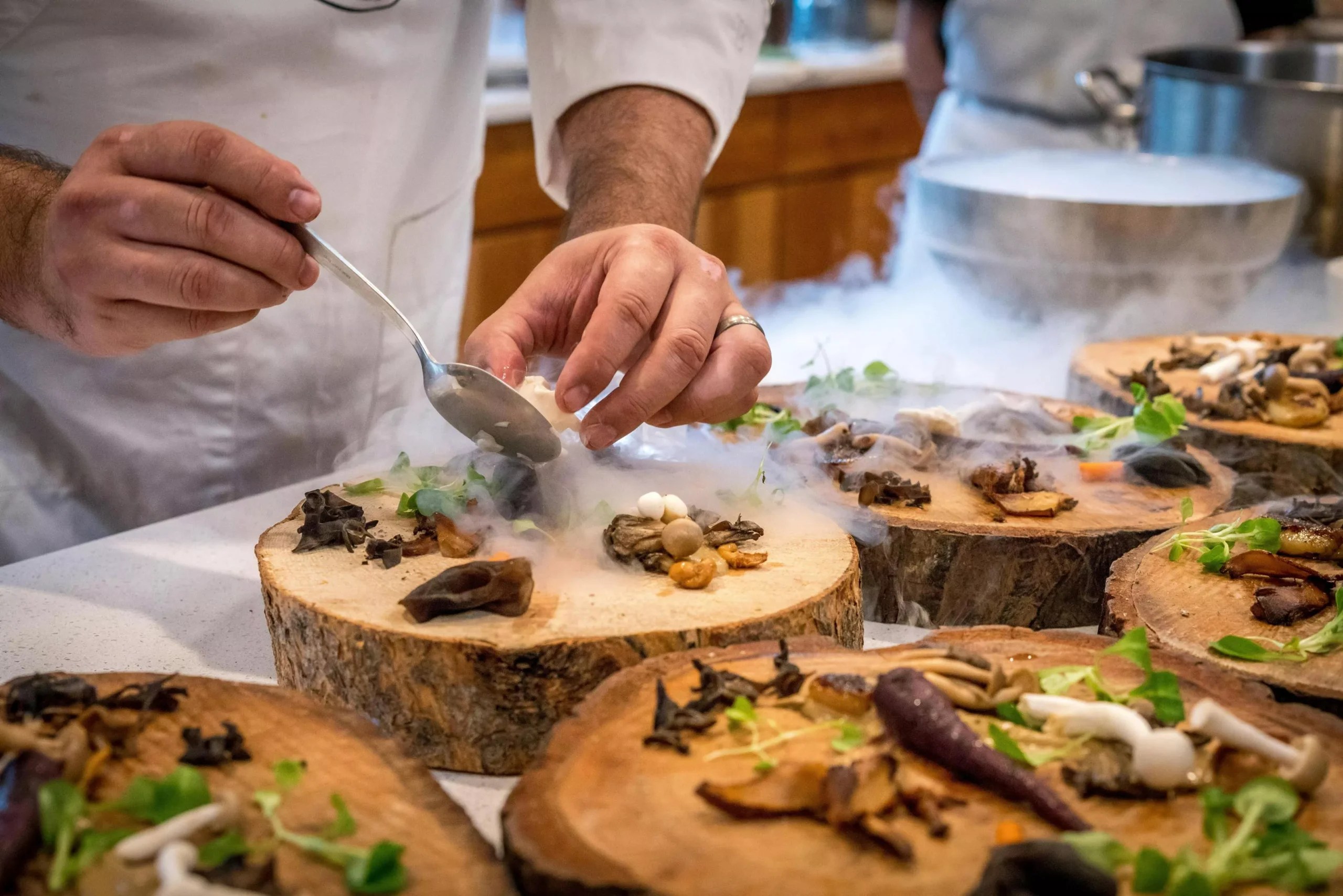
Food safety in restaurants is crucial, as it determines customer’s health and business success. With millions suffering from foodborne illnesses, maintaining safety standards cannot be ignored. Restaurants serving large amounts of food daily should be vigilant to prevent contamination and associated consequences. You shouldn’t skimp on food safety in your restaurant for the following reasons:
1. Health Risks to Customers
Ignoring food safety directly causes significant health risks to consumers. These diseases primarily result from consuming contaminated foods. The CDC estimates that over 40 million contract these illnesses, and 3,000 die annually. These alarming figures illustrate the importance of observing food safety practices.
Contamination in restaurants occurs at different stages. It may occur during production, transport, or preparation. Activities involved during these processes should be evaluated. Improper handling and poor hygiene of food handlers are the most common causes.
The health risks of contaminated food are especially severe for vulnerable populations. The elderly and young children mostly experience severe symptoms and complications. Mild illnesses for healthy adults can escalate into serious crises for these groups. That aside, the long-term consequences are devastating. Some people develop chronic conditions like reactive arthritis from food poisoning, which significantly affect their quality of life.
2. Legal Liabilities
Failing to adhere to safety practices also exposes restaurants to legal consequences. For starters, regulatory bodies like the FDA, have established safety guidelines that restaurants should follow.
These guidelines outline expected food handling, storage, and preparation procedures. For instance, food packers are expected to scan all items using reliable X-ray machines from TDI Packsys before packing them for distribution. Failing to comply with these standards is a recipe for hefty penalties, including fines and sometimes closure of your restaurant.
The other legal risk is the potential for civil lawsuits from affected customers. Customers who suffer food poisoning can file a civil case against the restaurant. These lawsuits are costly, as the customers may seek compensation for treatment costs, pain and suffering, and lost wages.
Similarly, restaurant owners can face criminal charges if there is evidence of gross negligence. This is especially possible if the lack of safety procedures results in serious injury or death. Restaurant owners will be charged with criminal negligence and violation of established food safety practices.
3. Damaged Reputation and Customer Trust
Reputation and customer trust are crucial for the success of a restaurant business. Unfortunately, ignoring food safety can affect your restaurant’s reputation and erode trust. Building a reputable restaurant business takes time. It also requires that you offer more than quality food. Excellent food and customer service lead to positive reviews and word-of-mouth recommendations.
However, a case of food poisoning can immediately undo everything. Social media can amplify the situation, damaging your reputation and negating customer perception.
Endnote
Restaurants shouldn’t ignore the importance of adhering to food safety procedures. Eating areas should ensure that whatever they serve customers is safe for consumption. This protects them from legal liabilities and preserves their reputation. Restaurants should invest in stringent food safety measures to avoid these consequences.
This article appears in Jan 1 – Dec 31, 2024.


