

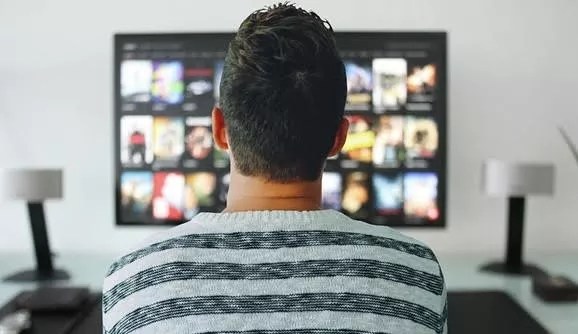
No matter form of entertainment we look at, the internet has completely reshaped how we do business. Whether in movies, music, or anything else, this inescapable truth holds. While great for the consumer, this development has significant implications for the cultural side of the experience.
The Move from Analogue
Though evolution has been a constant part of the entertainment landscape, development has often been inconsistent. Long periods of relative plateaus are often followed by a time of extreme leaps, and nowhere has this been better illustrated than in the modern internet age.
For generations, analog systems were the only real choice when it came to at-home entertainment for film, television, music, and gaming. In some cases, these relied on radio waves to deliver live content, in others, tape systems like VHS and cassettes were necessary components of the experience. The exact form these took would change, but the same low quality and artifacts were an inevitable part of being a customer.
With the arrival of digital recordings like CDs in 1982 and DVDs in 1996, higher-quality media leaped forward. As binary data, this media could be stored and transferred via computers, and more importantly, across the growing international fascination called the internet.
Over the internet, many of the older annoyances which were assumed a core part of entertainment media were reduced or eliminated. No longer did you have to go to the store to buy something, or visit Blockbuster for the rental experience. Games could be found online, and music could be streamed live from thousands of online radio stations. Depending on where you stood, this evolution was either a godsend or detrimental to your overall enjoyment.
Industries in Flux
Despite so many parts of entertainment media moving to the internet, the forms that the changes took could vary widely. The most obvious and now ubiquitous example came from how we absorb television and movies. Online services like Hulu and Netflix reshaped the foundation of how we saw video media, giving us options that were almost always superior to traditional forms of access.
In older systems, unless you bought or rented a DVD or tape, you were tied to a specific broadcast time. With streaming, not only do we have access to a far wider library, but we can also rewatch as often as we want, and engage with as much as we want at once. While fantastic in terms of instant gratification, this development has also caused shifts in the culture surrounding television events. The series that dump entire seasons at once might be binge-able, for example, but they ruin the water-cooler culture and discussion made necessary through more traditional weekly viewing.
In music, the biggest advantage is undoubtedly the result of how much media can be saved to modern storage. While an old Discman might have been able to hold a dozen songs with one CD, a modern phone can save thousands of tracks, or even stream directly from anywhere with a 3G+ internet connection. This is advantageous in terms of the breadth of offerings, but it can also serve to disconnect us from the intimacy we’d feel constantly listening to the same albums out of necessity.
Setting a more uniquely positive example are the forms of entertainment that were never possible before the internet, such as online casino gaming. Not only did home and mobile internet access make this type of gameplay possible, but the lower associated costs of online infrastructure also passed significant savings onto players. Free spins bonuses available on numerous sites aren’t possible with brick-and-mortar casinos, illustrating another path where online access changed the fundamentals of what previous systems could do. This has led to high levels of competition in the industry as sites look to stand out from each other in various ways such as the generosity and type of bonuses they offer, which benefits the customer.
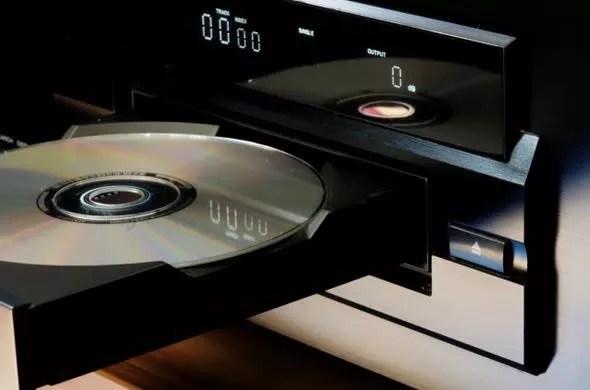
While more convenience and lower cost are hard to speak ill of, not all parts of the digital move in entertainment are universally loved. The culture surrounding media is a complicated thing, where even the smallest inconvenience can have positive effects beyond the obvious. While people having access to some types of entertainment they never had before is a great thing, we have to wonder if some forms might be best served with a more methodical approach to how we engage. Ultimately, where you stand on the engagement spectrum is up to the individual, but it could be worth trying both the traditional and modern styles to see which suits you best.
This article appears in Jan 1 – Dec 31, 2022.


